
Disorders we treat
Understanding
comes first.
Plain information about the disorders we see most often, and how each is assessed and treated at the clinic.
For adults
Psychiatric Disorders in Adults

Depression
Persistent low mood and loss of interest that affects sleep, appetite, energy and the ability to work or study.

Anxiety Disorders
Excessive worry, panic attacks, phobias and physical tension that continue even when there is no immediate danger.

Obsessive Compulsive Disorder (OCD)
Intrusive, unwanted thoughts followed by repetitive rituals such as washing, checking or counting.

Bipolar Affective Disorder
Episodes of elevated mood and overactivity alternating with periods of depression.

Schizophrenia & Related Disorders
Disorders in which a person loses touch with reality, experiencing hallucinations, delusions or disorganised thinking.

Substance Abuse & Rehabilitation
Dependence on alcohol, prescription medicines or illicit drugs, with structured detoxification and relapse prevention.

Personality Disorders
Long-standing patterns of thinking, feeling and relating that cause repeated distress and difficulty in relationships.

Sexual Disorders
Difficulties with sexual function or desire that are assessed and managed privately and without judgement.

Eating Disorders
Anorexia, bulimia and binge eating, where eating behaviour and body image cause serious physical and emotional harm.

Marital Problems
Conflict, communication breakdown and distress within a marriage, addressed with both partners where possible.
For children & teenagers
Child & Adolescent Disorders
Assessment and support for children, teenagers and their families, working closely with parents and schools.
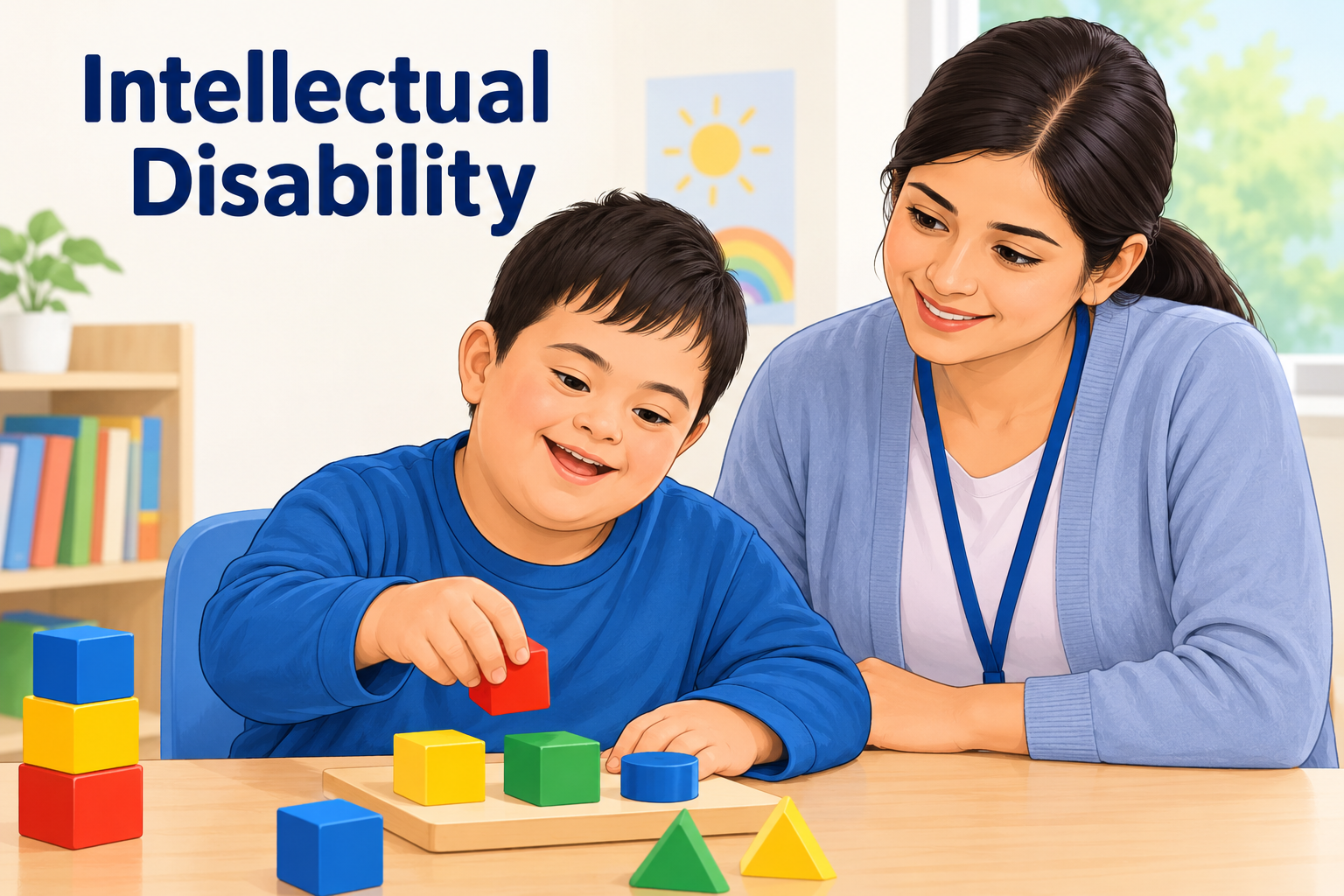
Intellectual Disability
Significant limitations in learning, reasoning and everyday adaptive skills that begin in childhood.
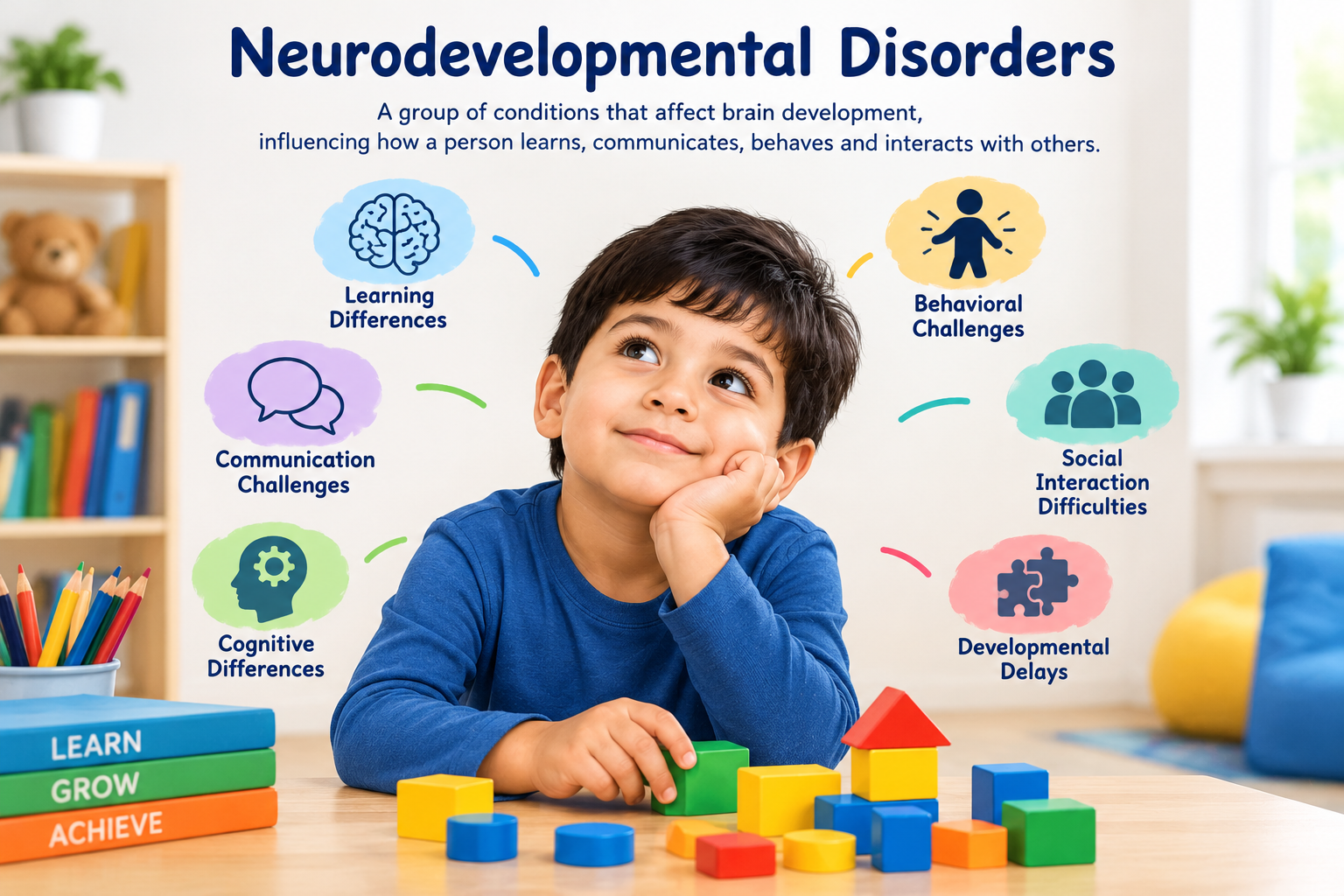
Neurodevelopmental Disorders
Conditions affecting how the developing brain manages learning, attention, communication and behaviour.
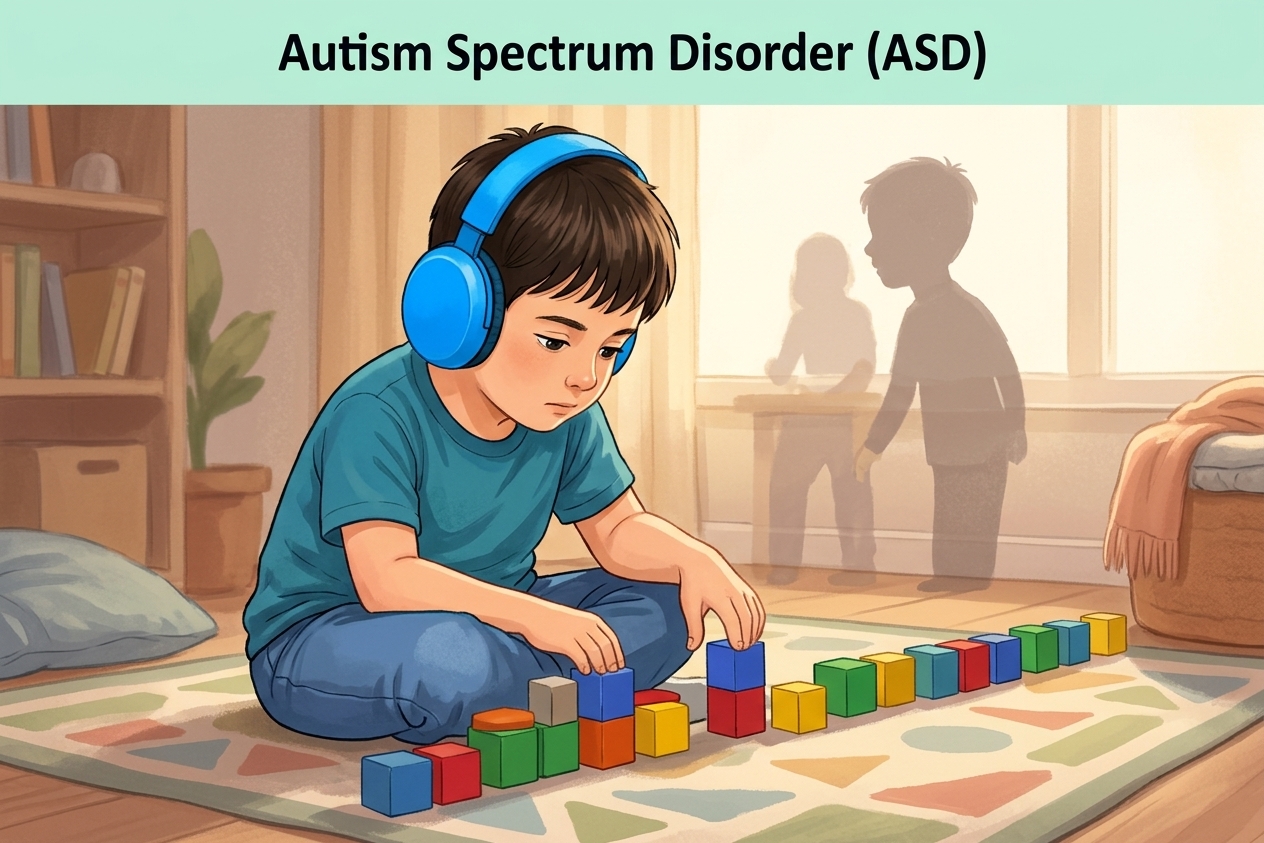
Autism Spectrum Disorder (ASD)
Differences in social communication and interaction, with repetitive behaviours and focused interests.
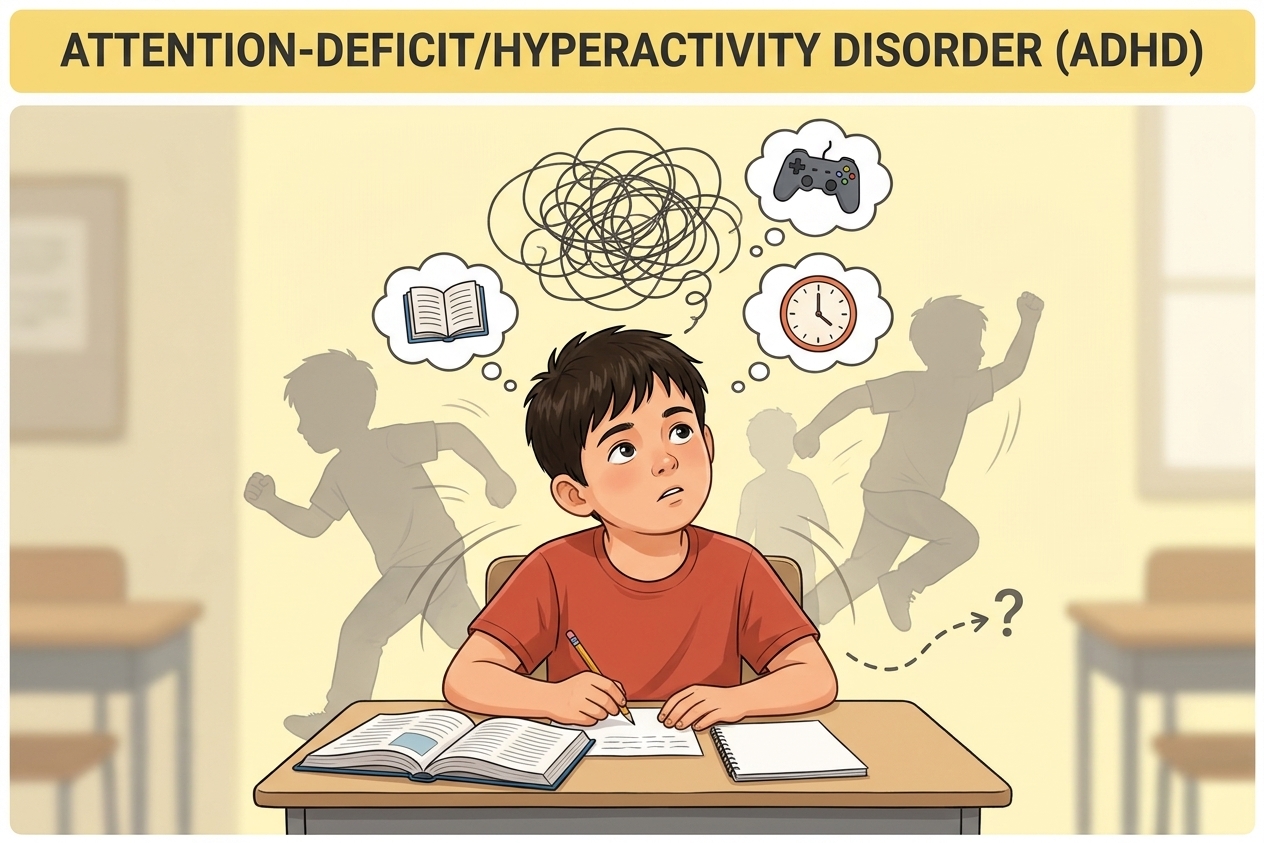
Attention-Deficit/Hyperactivity Disorder (ADHD)
Persistent inattention, hyperactivity and impulsivity that interfere with learning, behaviour and family life.
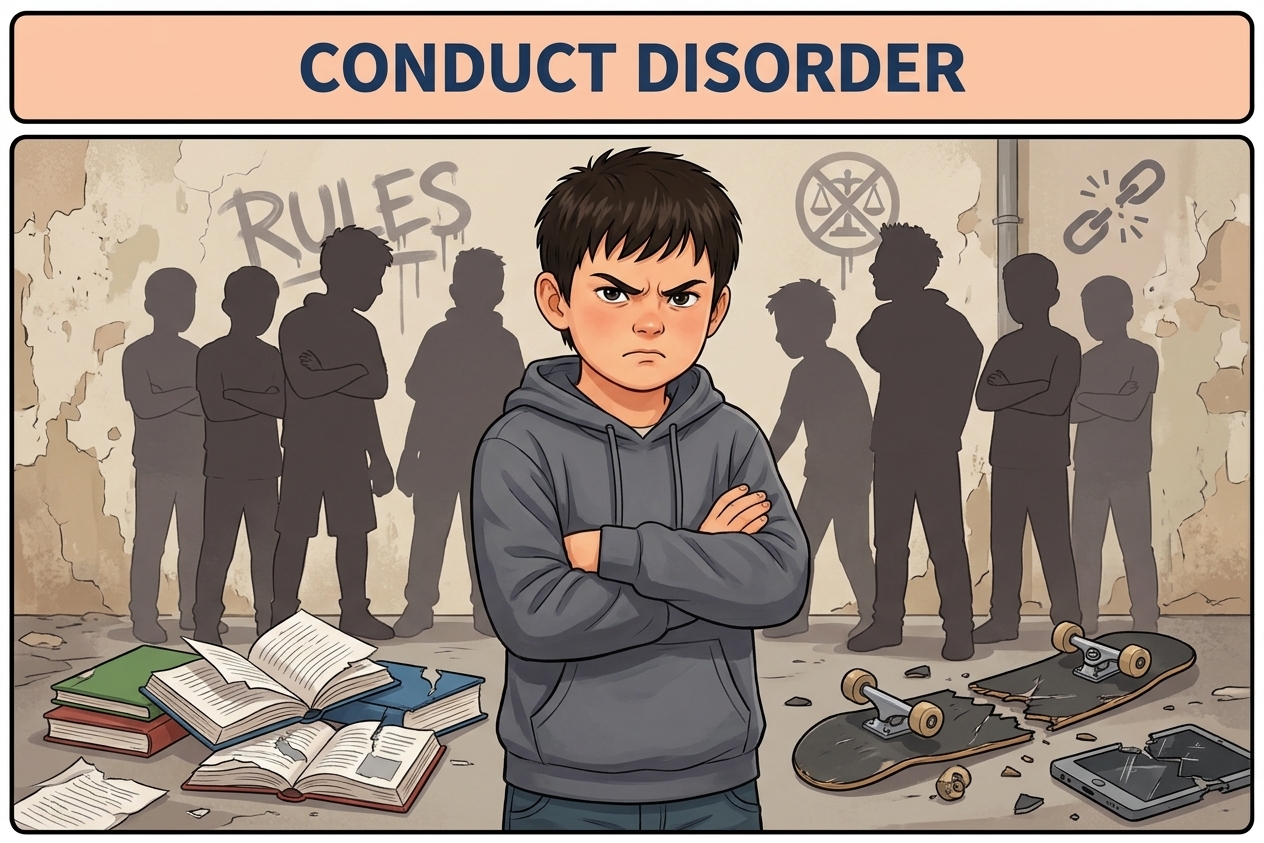
Conduct Disorder
A repeated pattern of aggressive, destructive or rule-breaking behaviour in children and adolescents.
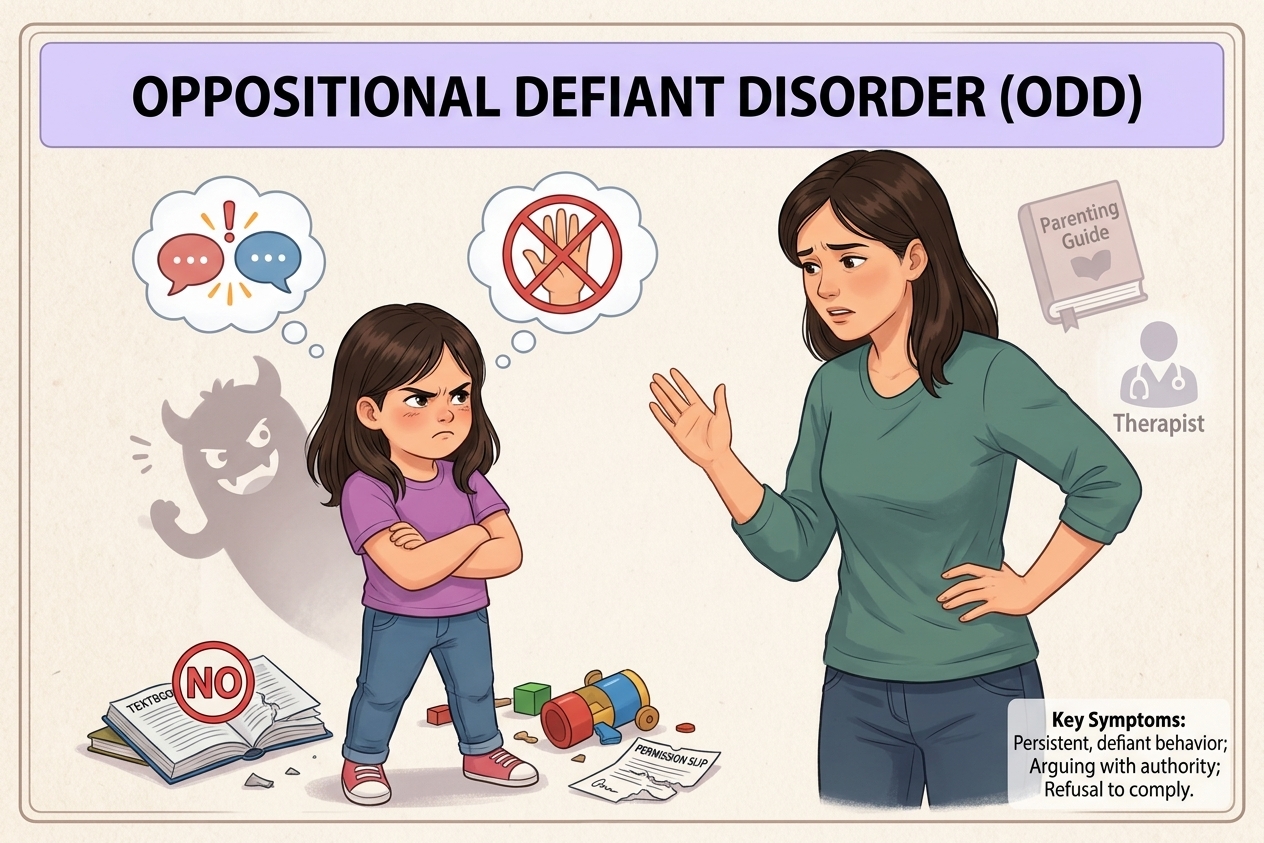
Oppositional Defiant Disorder (ODD)
Ongoing angry, argumentative and defiant behaviour towards parents, teachers and other authority figures.
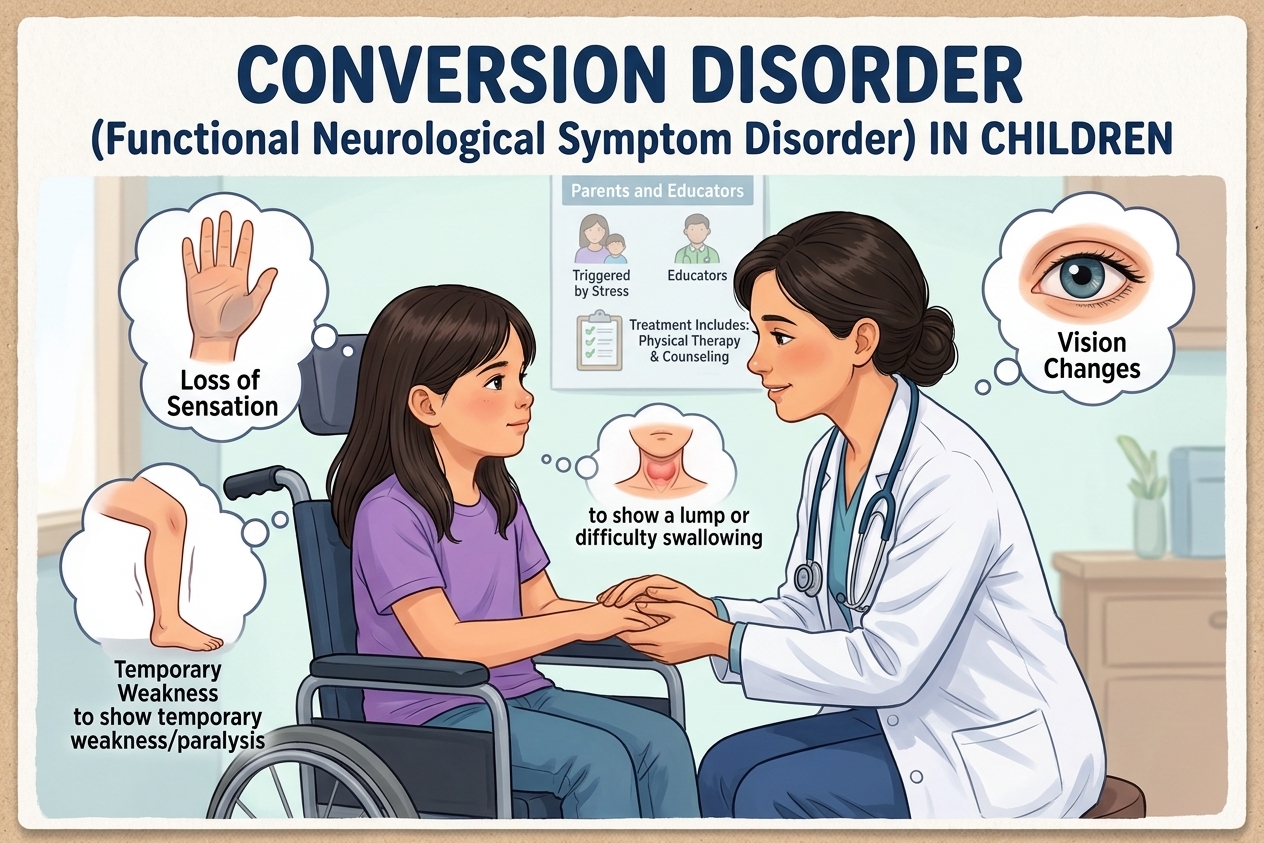
Conversion Disorder (Functional Neurological Symptom Disorder)
Real physical symptoms, such as weakness, fits or loss of sensation, that are linked to stress rather than a nerve disease.
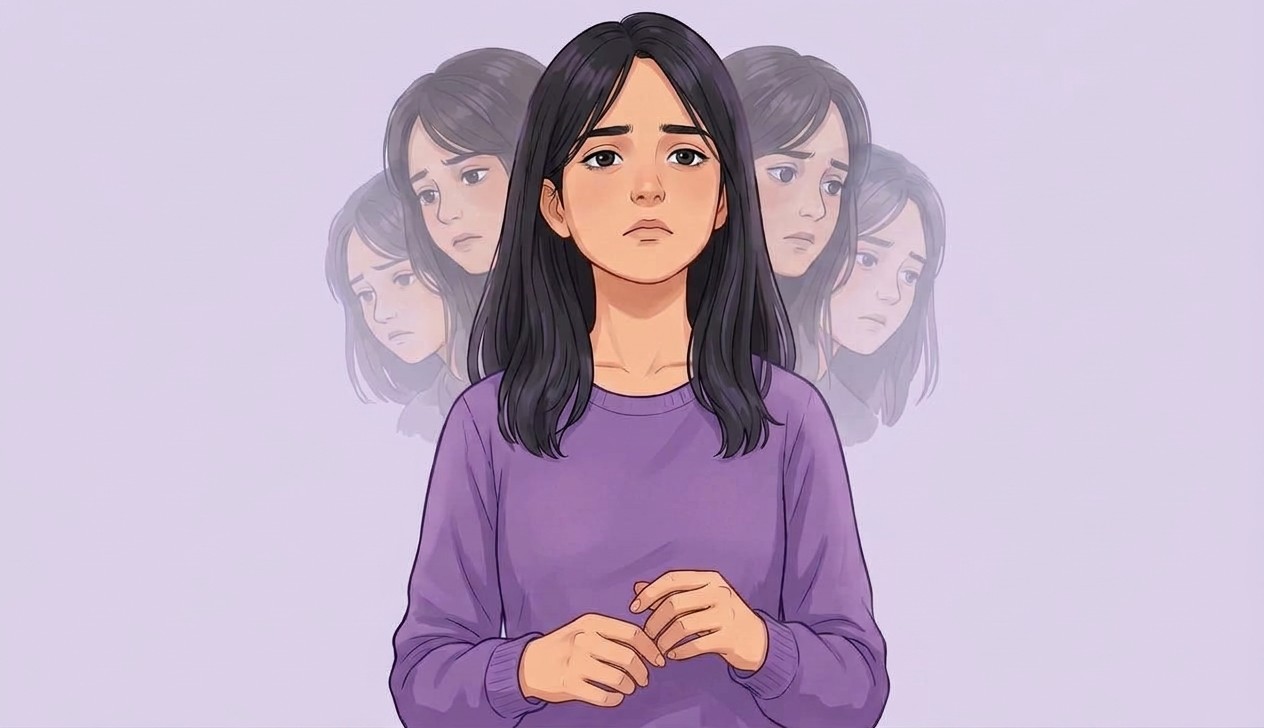
Dissociative Disorders
Disruptions in memory, awareness or sense of self, often linked to overwhelming stress or trauma.
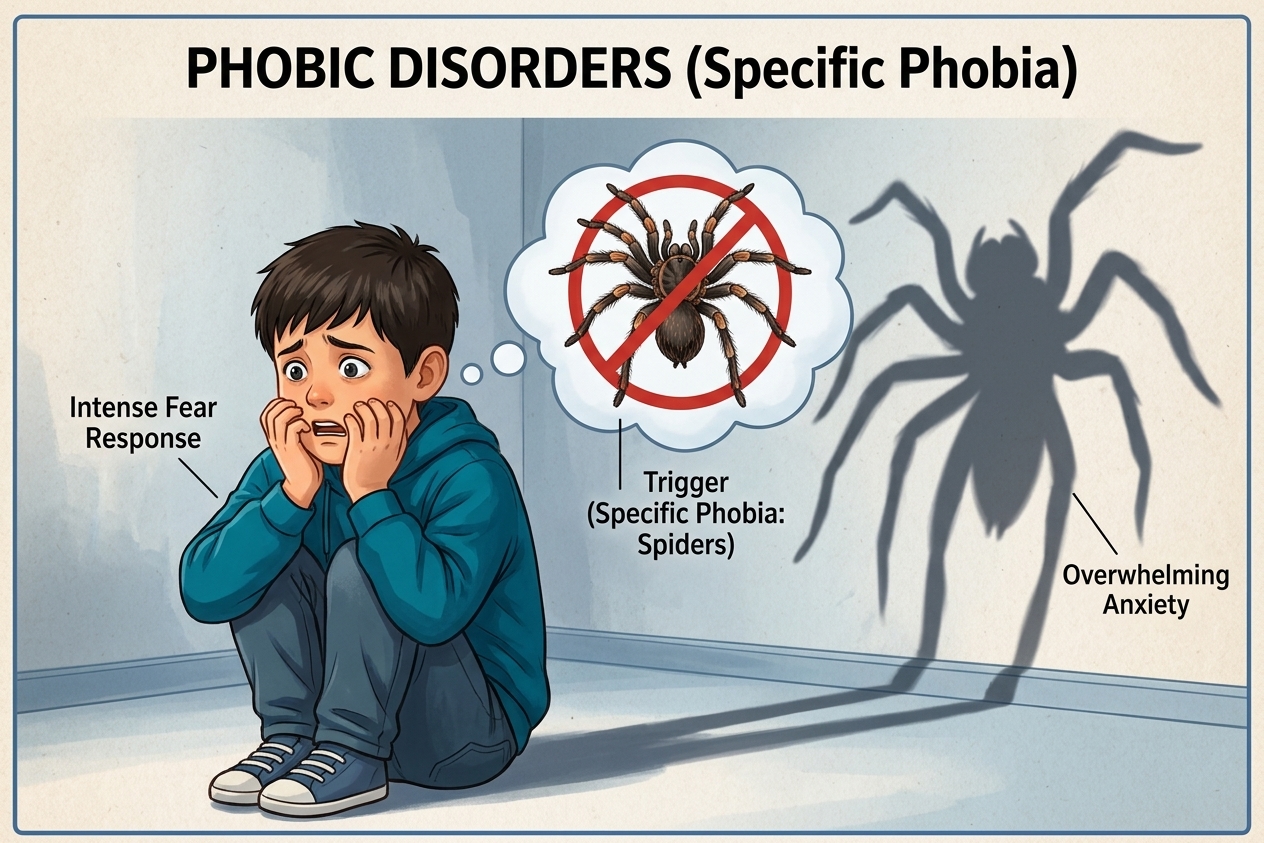
Phobic Disorders (Specific Phobia)
Intense, lasting fear of particular objects or situations, such as animals, darkness, heights or injections.
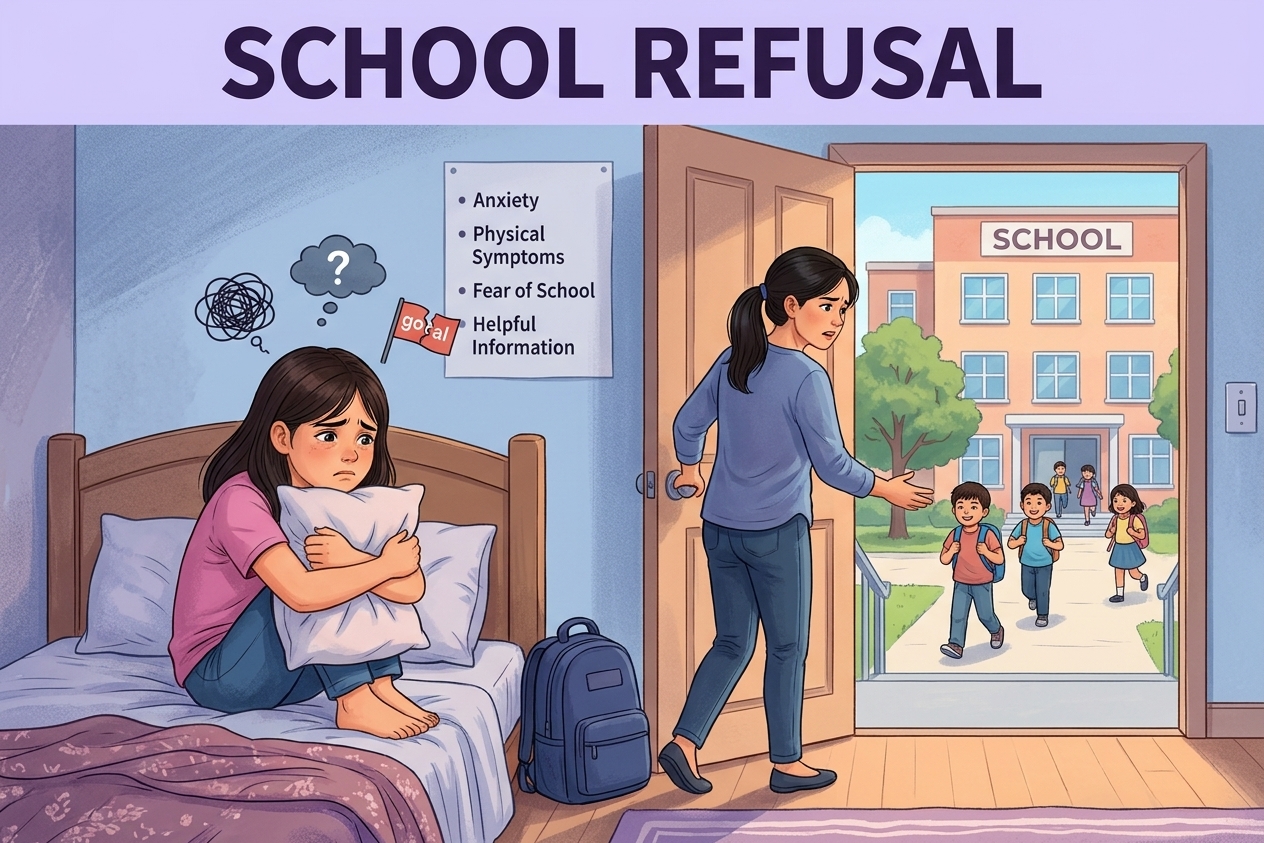
School Refusal
Persistent difficulty attending school because of emotional distress, anxiety or fear.
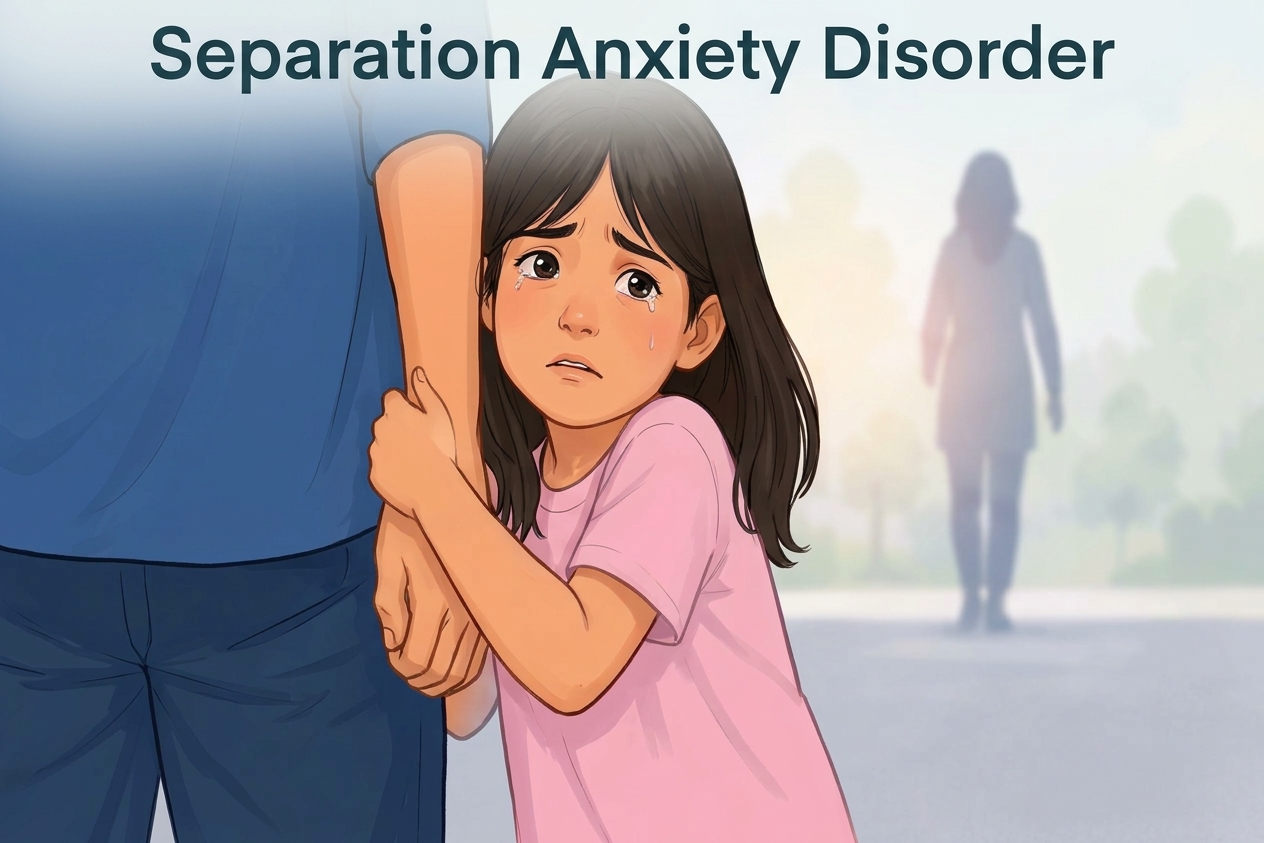
Separation Anxiety Disorder
Excessive fear or distress when a child is apart, or expects to be apart, from parents or caregivers.